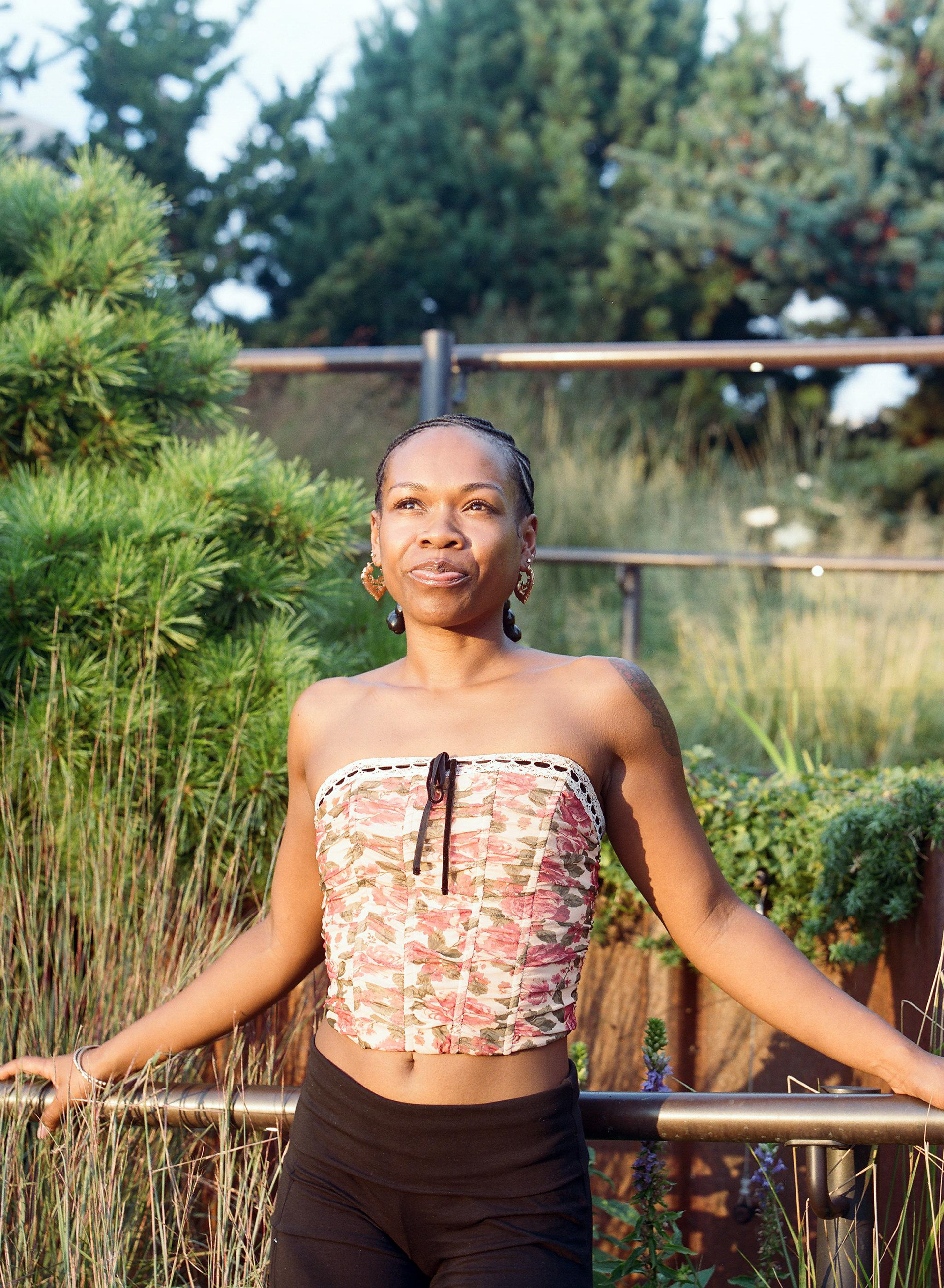
Sasha F. - Where is your family from?
Jennifer F. - Okay, so both my parents are from the Dominican Republic, and they're from the capital, Santo Domingo.
Sasha F. - Did you grow up going to Santo Domingo, visiting family?
Jennifer F. - I honestly didn't go there as much. I have been there before though. The last time I've been there, I was, like, 16. And, however, I lived with my grandmother for a long time when I was younger, and living there is, like, living in DR, you know, no one speaks English, Spanish household.
Sasha F. - Okay.
Jennifer F. - They followed the tradition, like, living there, so I kind of have the experience, like, as if I was living there.
Sasha F. - So...you're from New York originally?
Jennifer F. - Yes.
Sasha F. - What part of New York are you from?
Jennifer F. - So, I'm originally from Manhattan, Washington Heights, and I also resided in the city, because I went to school around there, so...
Sasha F. - So how was it growing up in Washington Heights? I know that's a very Dominican area of New York.
Jennifer F. - Very Dominican. (Laughter) We got some Puerto Ricans out there too. It's a very nice community because it's more my culture around and they respect everyone around there. Everyone's very neighborly, no matter what color, skin, you know, Afro Latinos, any Latinos, we all click. So I would say it was very nice living there because I felt like I was around my culture a lot, so.
Sasha F. - Okay.
Jennifer F. - I got to embrace that.
Sasha F. - That's amazing. This is a random question. How did you feel about that movie In the Heights?
Jennifer F. - The musical? (Laughter)
Sasha F. - Yes.
Jennifer F. - Girl, I did not know it was going to be a musical. I thought it was going to be a regular movie. Like, you know, it was okay. I more thought it was going to be just a regular movie with a plot, whatever. I just don't like the singing. I don't like musicals at all.
Sasha F. - The reason why I asked that is, like, how do you feel like it characterized Washington Heights? Like, well...
Jennifer F. - I would say they did an okay job trying to explain how it is living in the Heights, but I feel like the singing part ruined, you know, trying to show the knowledge of, like, living out there.I feel like the music part was very clashing with the story. So it was hard to really, you know, calculate everything.
Sasha F. - Yeah, this is the first time I've been able to have a conversation with somebody from Washington Heights about this movie.
Jennifer F. - Okay.
Sasha F. - I don't like the movie
Jennifer F. - Well see, if I'm from there and I didn't like it, it makes sense.
Sasha F. - Yeah, but yeah, because I've had a conversation with a white Dominican person from the Bronx who loved the movie, but, like, I was just like, I feel like somebody who actually grew up in that area kind of gets the feel and understands how the movie differs from reality and, like, is it really a good movie or nah?
Jennifer F. - Right. Well, no. Not that good. I will say, I will give it like, um, 2.5 stars.
Sasha F. - Okay, out of five?
Jennifer F. - Out of five yeah.
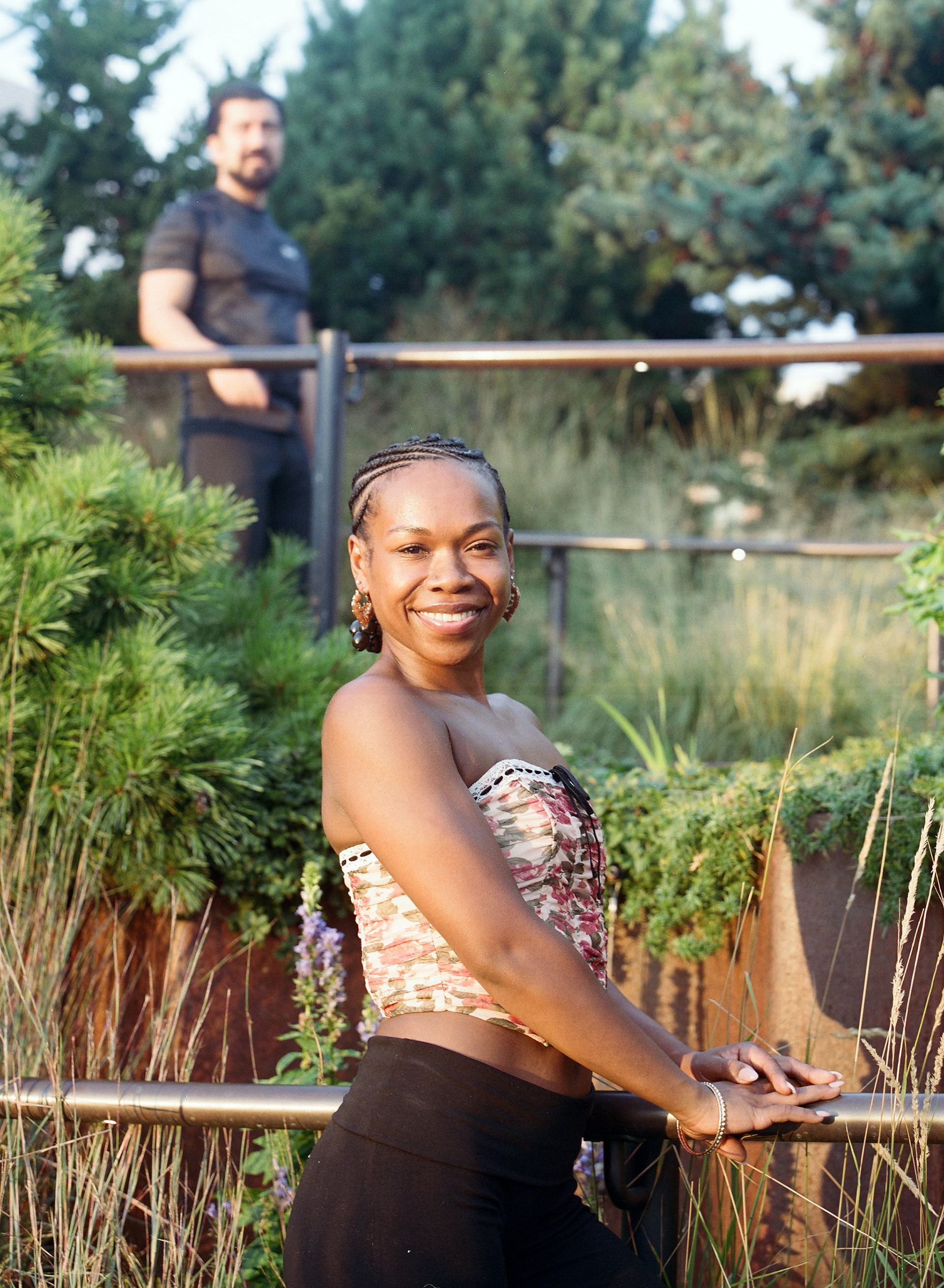
Sasha F. - Okay, so on to our next, like, segway is what does being Afro Latino mean to you?
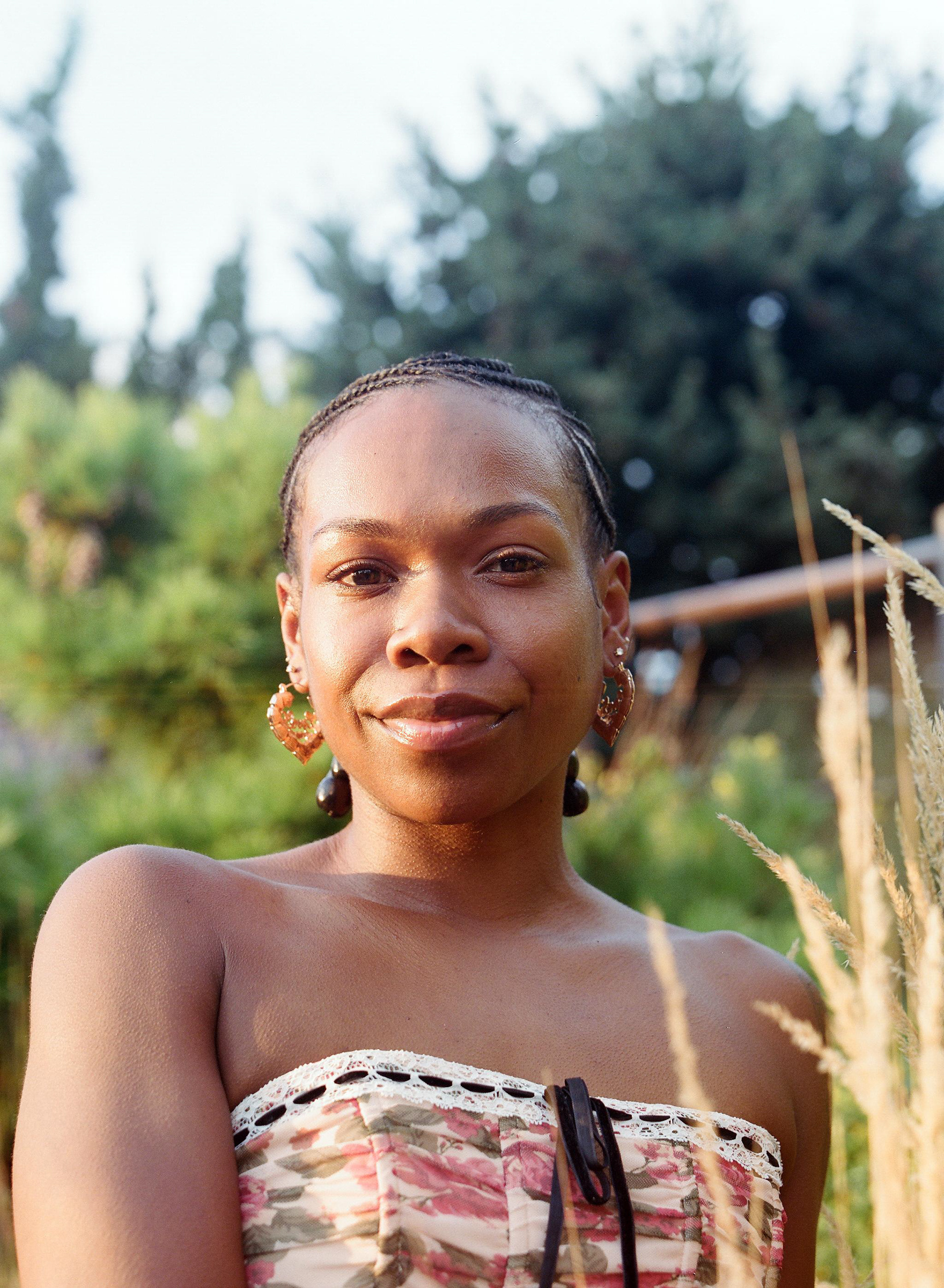
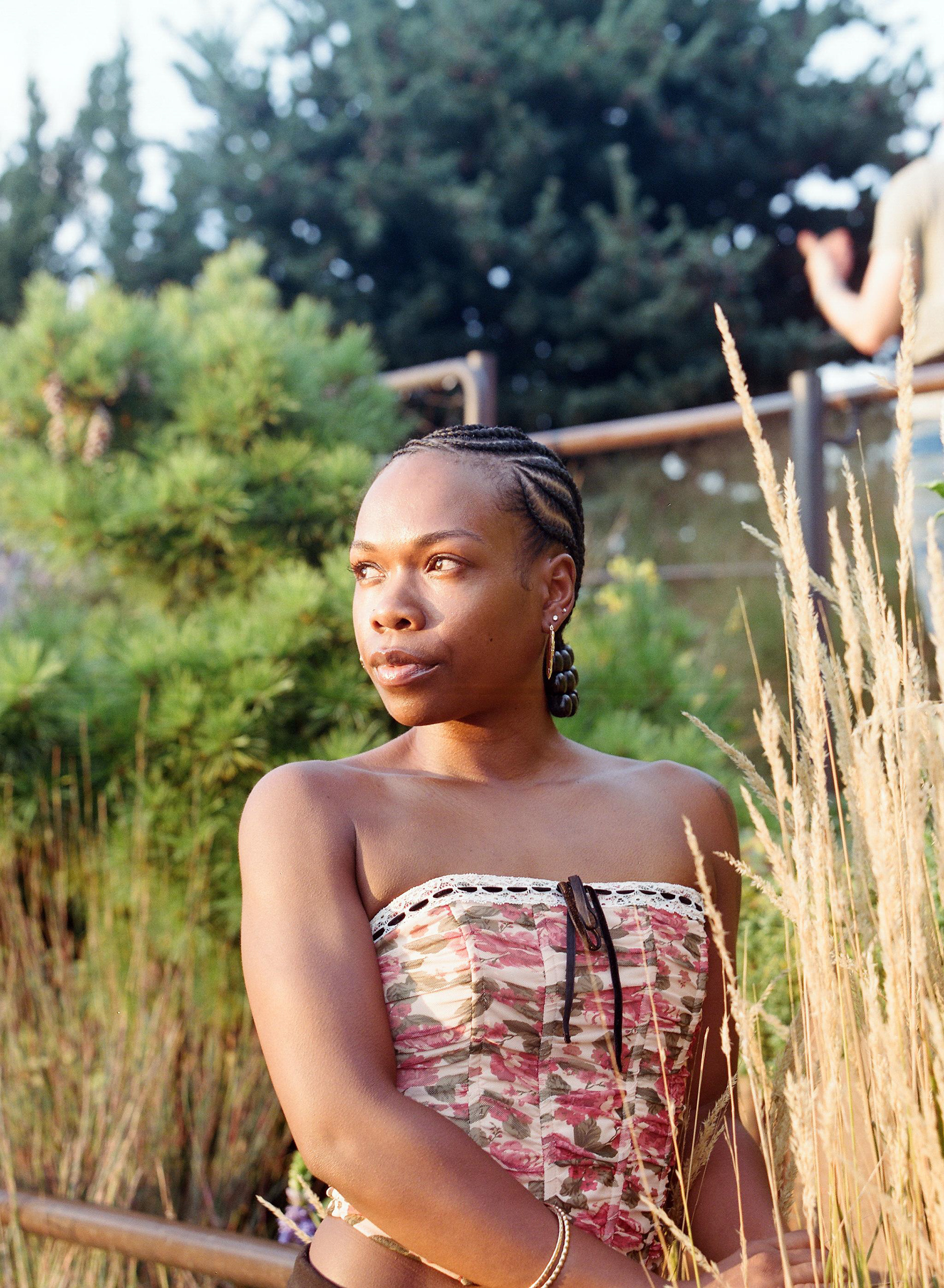
Jennifer F. - Well Afro Latina means to me just embracing my natural beauty because I feel like in the Spanish community, we get looked at differently just because our hair texture is different from the ideal Spanish look that everyone thinks all Spanish people look like. However, just embracing my natural beauty, wearing my natural hair, not, you know, permanently damaging it, with looking like an ideal Spanish person that everyone wants to look like. And just, um, embracing myself. That's it, really, yeah.
Sasha F. - So, you touch on natural hair, and you are a natural hairstylist.
Jennifer F. - Yes.
Sasha F. - So does this embracing of your hair, how did that lead you to that career?
Jennifer F. - So, I would say growing up, like Dominican, you have to like straighten your hair to look good, especially when you have, like, coarser hair or curlier hair, they think that is bad hair.
Sasha F. - Mm hmm.
Jennifer F. - So, just, like, growing up like that, and then growing up later, knowing how to take care of my hair, knowing how to get my curls, I actually ended up loving my hair, because when I was younger, I thought the same, like, straightening my hair would look better. So just, I just want other people to feel the same. Like, people that don't think their hair could grow or don't think their hair is nice, just showing them ways to take care of it, to make it look better, and then helping them love that, you know?
Sasha F. - That's amazing, 'cause I feel like my background is Panamanian, Afro Costa Rican, and my dad's African American, so I grew up with the Abuela, with the Liso hair, who, like, you know, and my cousins with hair that was, like, not as kinky as mine. There were, like, wavy curls, and it's like, I want to be like them. But I couldn't 'cause that's not my hairstyle. That's not my hair type. And it took me years to figure that out, and then I, um..., did the perm for years. And then in college, I cut that out, but then I colored my hair. Which was just as bad.
Jennifer F. - More damage.
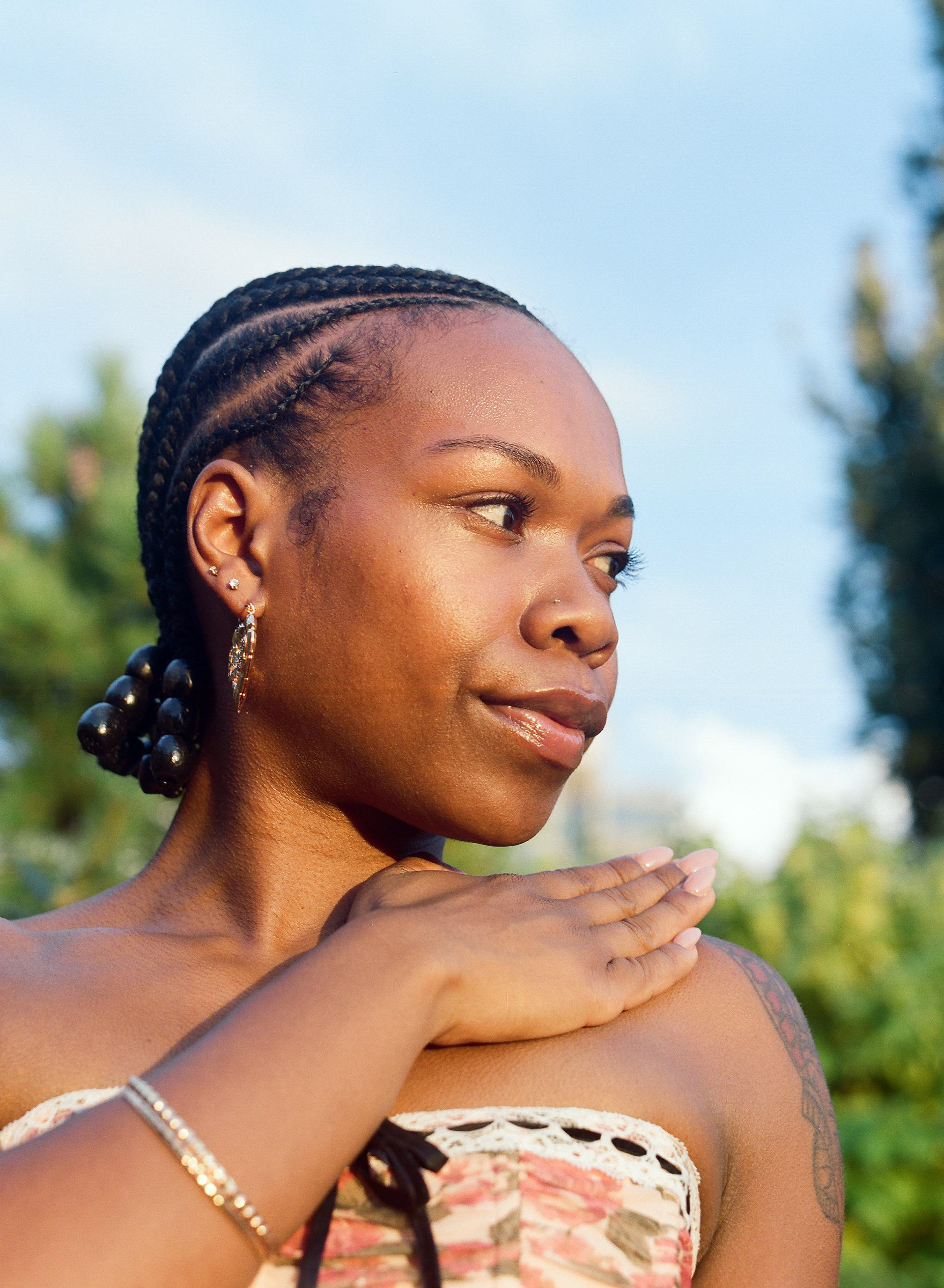
Sasha F. - Okay, so the next question is, how do you take up space in the Afo Latino community? Leaning towards your career as a natural hairstylist, do you feel like that's one of the spaces you occupy in Afro Latinidad?
Jennifer F. - Just like coming out with my natural hair, showing them that, you know, Latinas also have hair like this, and we're allowed to wear it out, and we should be looked at the same way as you guys. Because we're all from the same culture.
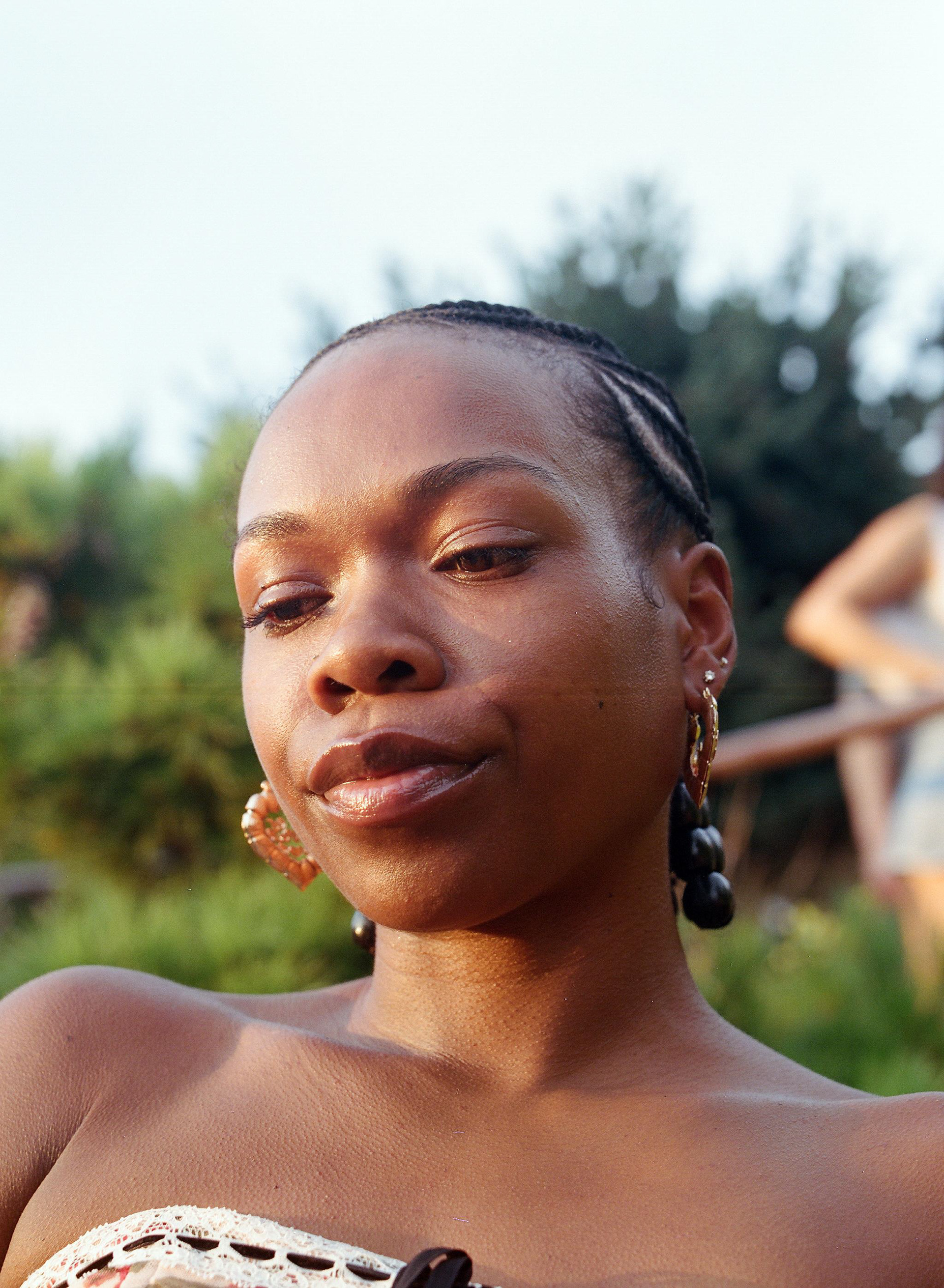
Sasha F. - Okay, so, the next question is, how do you feel about the Ni de aqui Ni de alla?
How do you navigate the dual identities of blackness and Latinidad? Because a lot of times, Afro Latinos kind of have their foot in both worlds.
Jennifer F. - I will say I speak Spanish, so just…I would say just embracing the Spanish that I speak and, you know, speak Spanish proudly in other places.
Sasha F. - Do you find yourself sometimes getting pushback when you speak Spanish in the?
Jennifer F. - Sometimes I do because people get shocked or surprised, and then they don't, like, usually think I'm Spanish. They will act like, oh, where did I learn Spanish from instead of asking how I know Spanish. So it's just, like, they assume I just know it by, like, learning from schools or something like that instead of being in the culture as well.
Sasha F. - Okay, so our next question, this is kind of, I've expanded since I created it.
Is there an Afro Latino historical figure or his significant person? So that could be a family member or something like that. Dead or alive, that you would want to have dinner with, and what would you talk about with them? So don't have to be a historical figure. It could be somebody in your family.
Jennifer F. - I would say maybe Dasha Blanco, she's from Orange is the New Black, and she's also considered Afro Latina, and she's also from New York, as well. I would say I look up to her, 'cause she dealt with a lot before she became an actress, and, like, becoming an actress actually got her off a lot of stuff that she's been going through, you know, financially or wherever the case was. And she embraces her, like, blackness and her Dominican side as well.
Sasha F. - Is there, like, one, like, topic you would want to touch on? Like, one thing you want to know from Dasha?
Jennifer F. - How does it feel being an Afro Latina in the acting community?
Sasha F. - Okay. That's fair.
Sasha F. - We kind of touched on this already, but this is just like a little go back, um,What is your relationship to Spanish? Like, growing up, did you learn it just like you said you grew up with your grandmother? Did she teach you or did you pick it up?
Jennifer F. - I feel like it happened just naturally. Just picking it up, young, speaking conversations, watching the novellas with her.
Sasha F. - Yeah. I feel like I picked it up into intermediate.
Jennifer F. - Okay.
Sasha F. - Because I always forget words.
Jennifer F. - It happens. And you don't if you don't speak it often, then you definitely forget.
Sasha F. - My mom speaks it fluently, but my dad doesn't speak Spanish. So, like, at home, are we really speaking Spanish? Because then my dad's like, what are you guys saying?
Jennifer F. - Mm-hmm. And then you got to speak English most of the time.
Sasha F. - Yeah. But my Abuela barely speaks English. So, like, when we're at her house, my mom's speaking mostly Spanish, because she doesn't understand a lick of English.
Jennifer F. - Right. My grandmother also.
Sasha F. - And then this is our last question. What is the legacy you would like to leave? And it doesn't have to be, like, a big, grand idea. It's kind of where you are right now. What do you feel like is something in your life now that you want to pass down to the next generation?
Jennifer F. - Something I want to pass down is gonna sound like a repeat, but just loving your natural beauty and embracing your hair, not letting um, the community of like the ideal look, mess up, you know, your, like, stop loving yourself just because you want to look like someone else. So just embracing your hair, embracing your natural beauty, embracing your skin color, and just being happy with who you are.